







Unlocking the secrets of casino strategies for ultimate success
Understanding the Basics of Casino Strategies
To embark on a successful gambling journey, it’s essential to grasp the fundamental principles of casino strategies. Many players enter casinos with the hope of winning big but often lack a clear approach to their gameplay. Understanding game mechanics, odds, and payout structures is crucial in formulating an effective strategy. For instance, knowing the house edge for different games can guide players to make informed decisions about where to place their bets, and some might even explore a bitcoin casino as part of their strategy.
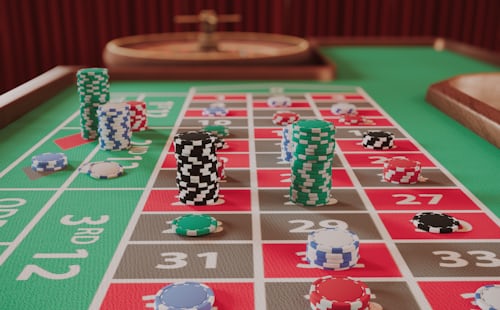
Additionally, players should familiarize themselves with various types of casino games, including table games and machines. Each game has its own set of rules and strategies that can significantly influence outcomes. By investing time in learning these aspects, gamblers can enhance their overall experience and increase their chances of success.
The Importance of Bankroll Management
One of the cornerstones of successful gambling is effective bankroll management. This involves setting a budget and sticking to it, regardless of wins or losses. Players should define how much they’re willing to spend during a gaming session and ensure they do not exceed this limit. Such discipline not only helps protect players from financial strain but also allows them to enjoy their gambling experience without undue stress.
Moreover, setting aside profits as well as losses can contribute to a healthier bankroll strategy. Players should consider separating their winnings from the original stake, allowing them to gamble with a cushion while still recognizing the importance of responsible play. Successful gamblers often credit their achievements to steadfast adherence to a well-structured bankroll management plan.
Adapting Strategies to Different Games
Each casino game requires a unique approach to maximize the possibility of winning. For example, strategies in blackjack may involve using card counting techniques, whereas poker demands a solid understanding of opponents and betting patterns. Players should tailor their strategies to the specific game they are playing. This adaptability can often distinguish between a successful gambler and a novice one.
In addition, players should consider the variance of the games they choose. High-variance games may lead to larger wins but also greater risks, whereas low-variance games can offer consistent, smaller payouts. Understanding these differences is vital for developing a strategy that aligns with a player’s risk tolerance and gaming goals.
The Role of Psychology in Gambling
The psychological aspect of gambling can greatly influence a player’s decision-making process. Being aware of one’s emotions and mental state can help in maintaining composure during gameplay. Gamblers often face high levels of stress, particularly in games with significant stakes, which can lead to impulsive decisions. Recognizing the signs of tilt—a state of emotional frustration—can help players avoid making poor bets that may jeopardize their bankroll.
Furthermore, successful gamblers employ a mindset of patience and discipline. They understand that losses are part of the game and do not chase after them recklessly. Instead, they focus on maintaining a balanced approach, which ultimately contributes to long-term success in the casino environment.
Ensuring Safe and Responsible Gaming
In the world of gambling, safety and responsible gaming should always be a priority. Casinos implement various measures to protect players and ensure fair play, but individuals must also take steps to safeguard themselves. This includes setting limits on both time and spending to prevent gambling from becoming a compulsive behavior.
Moreover, seeking resources from organizations that specialize in responsible gaming can provide valuable support. Understanding the risks involved and taking proactive measures can pave the way for a more enjoyable and fulfilling gambling experience. Remember, the goal of gambling should always be entertainment rather than solely a means to an end.